 Atherigona reversura Villeneuve, 1936
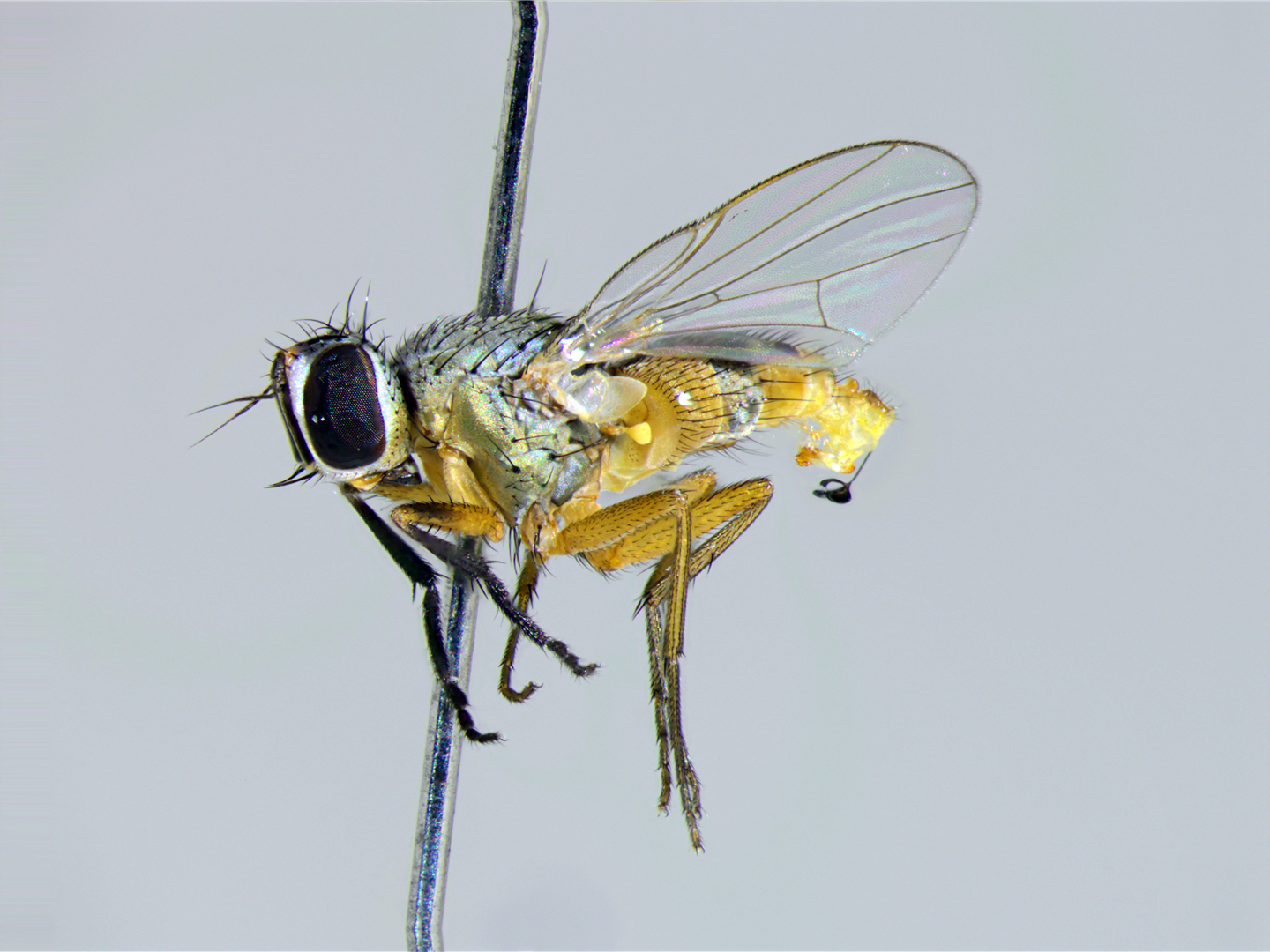
Male, lateral view


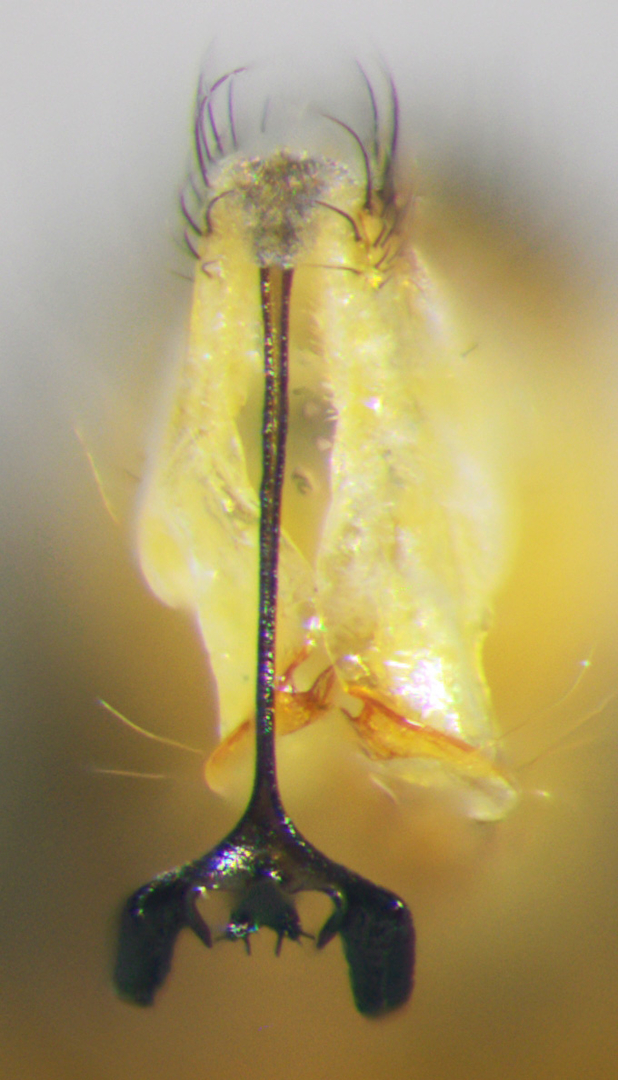
 Geographic distribution
Distribution
Pest regularly of importance
- Argentina
- Buenos Aires
- Chaco
- Córdoba
- Santa Fe
- Uruguay
Other distribution
Cosmopolitan
- Atherigona bella spp. sinobella Fan, 1965
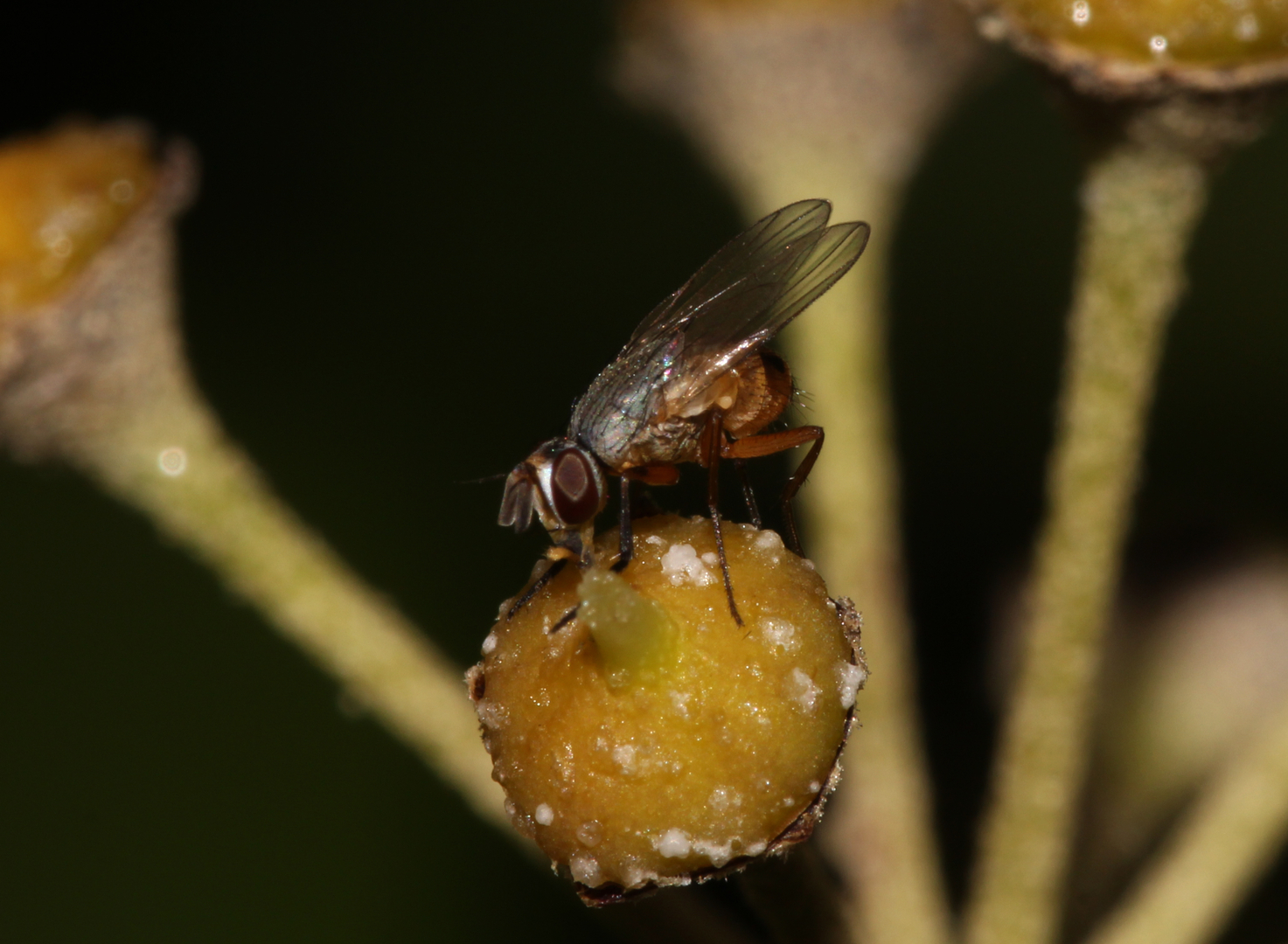
The larvae of A. reversura, commonly known as the bermudagrass stemworm, can cause serious damage to plants. Although this species primarily reproduces on bermudagrass (Cynodon dactylon [L.]), other Poaceae host plants have been reported, including crops such as Echinochloa colona (L.) Link (Bermuda grass), Eleusine coracana (L.) Gaertn. (an annual plant cultivated as a cereal in arid regions of Africa and Asia), Eriochloa procera (Retz.) C.E. Hubb. (a tall grass commonly known as spring grass or cup grass), and Sehima nervosum (Rottl.) Stapf. (a perennial grass species, native to arid and tropical regions of Africa, Asia and Australia), Sorghum bicolor (L.) (Sorghum, also known as adaza, zahina, great millet, durra, jowari / jowar, or milo, is a species of grass that is grown for its grain, which is used for human food, animal feed and ethanol production) and Zea mays (L.) (Maize).
- PONT, A.C. & MAGPAYO, F.R. 1995. Muscid shoot-flies of the Philippine Islands (Diptera, Muscidae, genus Atherigona Rondani). Bulletin of Entomological Research, Supplement 3: 1–123.
- PATITUCCI, L.D.; DUFEK, M.I. & MULIERI, P.R. 2016. First reports of the invasive pest Bermudagrass Stem Maggot, Atherigona reversura Villeneuve, 1936 (Diptera: Muscidae), in South America. Check List 12(4): 1-5
